Considerations for Industrial Pump Troubleshooting in Manufacturing
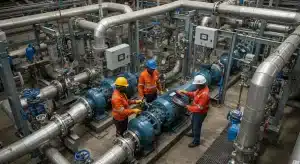
Industrial pumps are critical assets across the manufacturing, food and beverage, and broader industrial sectors. They handle essential tasks such as fluid transfer, ingredient mixing, and process regulation. Yet when these systems fail or underperform, the consequences can be costly—ranging from production delays to safety risks and regulatory violations. Understanding the operational considerations for pump troubleshooting is therefore essential for minimizing downtime, maintaining product integrity, and ensuring long-term equipment performance. This guide walks you through key aspects that maintenance teams and plant operators must consider during the troubleshooting process.
1. Recognizing the Symptoms of Pump Failure
Effective troubleshooting starts with the ability to recognize early warning signs of pump malfunction. Common symptoms like unusual noise, increased vibration, reduced pressure or flow, overheating, and frequent motor tripping should not be ignored. These signs typically indicate underlying problems such as misalignment, wear and tear, blockage, or even a failing motor. In manufacturing settings where pumps often operate continuously, catching these signals early can prevent complete equipment breakdown and significantly reduce repair costs. Plant operators should be trained to report any deviations from normal operation to ensure timely investigation and resolution.
2. Investigating Pump Cavitation Issues
Cavitation is one of the most destructive issues affecting industrial pumps and occurs when vapor bubbles form in the liquid being pumped and collapse violently within the pump. This phenomenon typically results from low suction pressure, high fluid temperatures, or restrictions in the suction line. When cavitation occurs, it can cause serious damage to the pump’s impeller and internal surfaces, leading to reduced efficiency and eventual failure. During troubleshooting, it is important to assess suction conditions, check for clogged filters or valves, and confirm that the system meets the pump’s Net Positive Suction Head (NPSH) requirements. Eliminating cavitation early not only preserves the pump but also ensures consistent production output.
3. Assessing Vibration and Noise
Unexpected vibration or excessive noise often points to mechanical issues such as misalignment, bearing wear, or imbalance within the pump assembly. In high-speed manufacturing environments, these issues can quickly escalate, causing fatigue in surrounding components or damaging connected systems. A detailed vibration analysis can help identify the source and severity of the issue, allowing maintenance teams to take corrective actions like realigning the shaft, replacing worn bearings, or securing loose components. By continuously monitoring vibration levels, manufacturers can adopt a predictive approach to maintenance that minimizes unscheduled downtime.
4. Examining Seals and Gaskets
Leaks around seals and gaskets are not only indicators of pump issues—they also pose serious risks in hygiene-sensitive environments such as food and beverage production. Damaged mechanical seals, deteriorated gaskets, or improper installations are common culprits. A small leak can quickly become a contamination hazard or lead to pressure loss in the system. Troubleshooting should involve close inspection of these components, replacement of faulty seals, and verification that installations follow OEM guidelines. In regulated industries, using food-grade or sanitary seals can also help meet compliance standards while preventing costly recalls or shutdowns.
5. Reviewing the Pump’s Operating Conditions
Often, a pump is not failing due to a defect but because it is being operated outside of its intended design parameters. For example, when a pump is forced to deliver more flow or pressure than it was designed for, wear and stress levels increase dramatically. Troubleshooting should include an evaluation of actual operating data—such as system pressure, fluid temperature, and viscosity—compared against the manufacturer’s pump curve. In many cases, a mismatch between system requirements and pump capacity can be resolved through reconfiguration or by selecting a more suitable pump model, ensuring optimal performance and energy efficiency.
6. Analysing Maintenance History
Pump failures rarely occur without warning. Maintenance logs can offer valuable insights into recurring issues or patterns of wear. For instance, if a certain seal fails regularly after a set number of operating hours, this could indicate misalignment or improper lubrication. A thorough review of preventive maintenance schedules, part replacements, and inspection notes can reveal opportunities to adjust maintenance frequencies or adopt more effective procedures. Implementing predictive maintenance technologies, such as sensor-based condition monitoring, can further enhance reliability by alerting technicians before failures occur.
7. Verifying Installation and Alignment
Incorrect installation is a surprisingly common source of pump failure in industrial settings. Even a well-designed and high-quality pump will underperform if it is not properly installed. During troubleshooting, it’s important to check that the pump is level, securely mounted, and aligned with the drive shaft or motor. Misalignment can cause uneven wear, vibration, and seal damage. The integrity of the baseplate and the condition of the foundation should also be assessed, especially if the facility experiences vibrations from nearby equipment. Correcting alignment and installation flaws early can extend equipment life and improve overall system stability.
8. Considering Environmental and External Factors
External factors can have a significant impact on pump performance and lifespan. Extreme temperatures, exposure to corrosive chemicals, moisture, or regular washdowns (as seen in food processing plants) can degrade pump components over time. When troubleshooting, it is essential to consider the environment in which the pump operates. Are there contaminants affecting motor ventilation? Is humidity causing rust or electrical shorts? Choosing the right materials—such as stainless steel or corrosion-resistant coatings—and implementing protective enclosures can prevent many of these issues. Additionally, pumps in outdoor settings may need insulation or heating elements to prevent freeze-related damage.
Conclusion: Taking a Proactive Troubleshooting Approach
Industrial pump troubleshooting is not just about fixing what’s broken—it’s about understanding why the failure occurred and how to prevent it from happening again. By considering factors like cavitation, vibration, seal integrity, operational parameters, and environmental conditions, plant operators and maintenance engineers can take a more proactive approach to pump health. In manufacturing and food processing sectors where reliability is critical, this approach ensures higher uptime, product quality, and safety compliance. Investing in regular monitoring, staff training, and predictive maintenance not only reduces the cost of repairs but enhances the overall efficiency of your production systems.
Need expert support with pump maintenance or troubleshooting in your industrial facility? Contact our team today to schedule an on-site assessment and keep your operations running smoothly.